

That small drip under the sink or hairline crack in the driveway seems harmless today, but homes rarely stay static. Minor issues left unattended tend to compound, turning a fifty dollar fix into a five thousand dollar emergency. Over the span of ten years, neglected maintenance can quietly erode both your property value and your bank account. Understanding where these costs hide is the first step toward protecting your investment and your peace of mind.
Aging Electrical Panels and Outlets

A flickering light or a warm outlet cover is often dismissed as a quirky old house problem, but these are early warning signs of a failing electrical system. A panel that’s buzzing, discolored, or rated below 100 amps (common in homes built before the 1980s) simply can’t keep up with modern demands like HVAC systems, home offices, and multiple kitchen appliances running at once. Over a decade, worn wiring and overloaded circuits can degrade further, increasing the risk of shorts, tripped breakers, and even house fires. The Electrical Safety Foundation International estimates that faulty wiring and related issues cause roughly 32,000 home fires each year in the U.S. alone, many of them traceable to problems that started small, like a loose connection or an overloaded outlet that went unaddressed for years. Outdated panels, particularly certain recalled brands like Federal Pacific or Zinsco, are also known for breakers that fail to trip during an overload, which defeats the entire purpose of the safety mechanism. Replacing a panel typically costs between $1,500 and $4,000 depending on amperage and location, a fraction of what fire damage or a full rewiring job would run. Insurance companies also take note, and some policies become harder to renew once an electrical system is flagged as outdated during an inspection. In some cases, insurers will require proof of an upgraded panel before issuing coverage at all, or they’ll apply a surcharge that quietly adds hundreds of dollars to annual premiums over time.
Scheduling routine electrical services every few years allows a professional to catch loose connections, outdated breaker boxes, and deteriorating insulation before they become safety hazards. A panel that still uses fuses instead of breakers, or one rated for less than 100 amps, often can’t keep up with the demands of modern appliances, space heaters, and home electronics, leading to frequent trips or worse, overheating. Outlets deserve the same scrutiny. Warm-to-the-touch faceplates, discoloration, or outlets that no longer hold a plug snugly are all signs of worn internal components that can spark or arc over time. Homes built before the 1990s are especially prone to these issues simply because the wiring and hardware were never designed for today’s electrical loads. Catching these problems early is almost always cheaper than a full rewiring job after a decade of silent wear. A routine inspection might cost a few hundred dollars, while replacing a failing panel can run well into the thousands, and that’s before factoring in potential damage from an electrical fire. Insurance companies may also balk at claims tied to outdated wiring that was never addressed, leaving homeowners to cover repair costs out of pocket.
- Flickering or dimming lights when appliances turn on, signaling the panel can’t handle simultaneous electrical loads
- Outlets that feel warm, buzz, or show discoloration — early signs of arcing that can smolder inside walls for years
- Breakers that trip frequently without an obvious cause, often meaning the circuit is overloaded or the breaker itself is wearing out
- A fuse box still in use instead of a modern breaker panel, which may max out at 60 amps when today’s homes typically need 100-200
- Two-prong outlets with no ground wire, leaving sensitive electronics and appliances unprotected from surges
- Panels still bearing recalled brands like Federal Pacific or Zinsco, known to fail silently during overloads
- Insurance companies increasingly refusing coverage or charging higher premiums for homes with outdated panels
Roof Shingles That Were Never Replaced
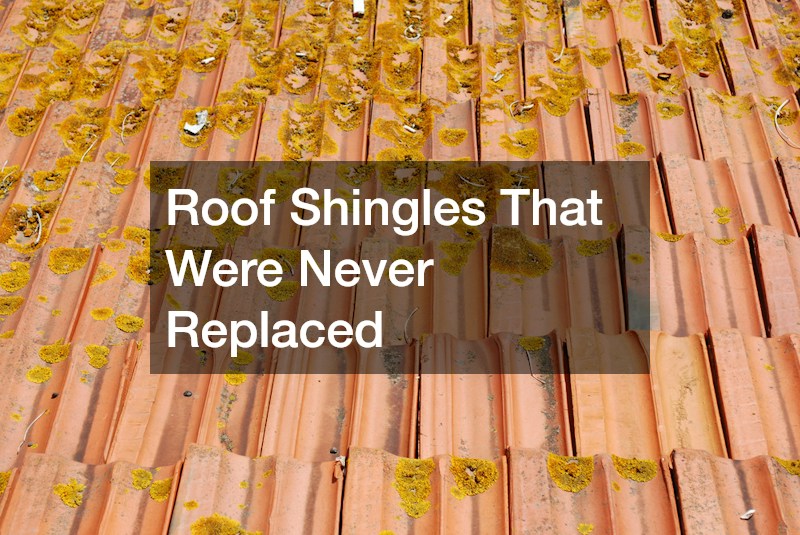
A few curled or missing shingles might not seem urgent, especially if there is no visible leak yet. But shingle roofing has a finite lifespan, and once the protective granules wear away, water can seep into the decking underneath without any obvious sign from the ceiling below. Ten years of deferred roof maintenance often means hidden rot, mold growth, and weakened structural supports that are far more expensive to repair than a simple shingle replacement would have been.
Small leaks tend to spread laterally before they ever show up as a stain on your ceiling, which is why many homeowners are shocked at the extent of damage once a contractor opens up the roof. Annual inspections, especially after storms, can catch damaged sections while repairs are still localized and affordable.
Outdoor Decks Left Without Maintenance

Wood decks exposed to a decade of sun, rain, and freeze-thaw cycles without sealing or repair can develop soft spots, loose railings, and compromised support posts. Without a protective coat of sealant reapplied every one to three years, moisture works its way into the wood grain, causing it to swell, crack, and eventually rot from the inside out. Fasteners rust and loosen, ledger boards pull away from the house, and support posts set in soil can decay below the surface where the damage stays hidden until the deck starts to feel spongy or unstable underfoot. What starts as a cosmetic issue, like graying wood or minor splintering, can eventually become a genuine safety hazard if the structure is not reinforced. A deck that looked fine from a distance may fail an inspector’s simple screwdriver test, where a blade pushed into the wood sinks in easily instead of meeting resistance. Railings that wiggle, stairs that sag, or boards that flex more than they used to are all warning signs that structural members, not just surface finish, have been compromised. Many homeowners who neglect their decks for years end up needing a full rebuild rather than a simple refinish. A routine sealing and board replacement job might cost a few hundred dollars every couple of years, but a full rebuild of a mid-size deck can run into the thousands once framing, footings, and railings all need replacing. Worse, an unmaintained deck that collapses or gives way can lead to injury, liability claims, and a far more expensive problem than the one a weekend of maintenance would have prevented.
A neglected deck rarely fails all at once. It usually starts small: a few soft boards near the stairs, rusted fasteners that no longer hold tight, or gaps where water collects and seeps into the structure below. Left alone for ten years, that moisture damage can spread into the ledger board and support posts, turning a simple board replacement into a full structural rebuild costing thousands of dollars. This is one of the reasons composite decking has grown in popularity, since it resists rot, insects, and warping far better than traditional wood over the long term. Many composite products also come with 25 to 50 year warranties, which can offset the higher upfront cost when compared to the recurring expense of staining, sealing, and replacing wood boards every few years. Homeowners who switch often find that routine upkeep drops to little more than occasional washing. If your current deck is already showing signs of significant decay, such as spongy spots, visible mold, or railings that wobble under pressure, it is worth having a professional take a closer look before assuming repair alone will fix things. Consulting a deck company for an inspection can help determine whether repair is still an option or whether replacement has become the safer, more economical choice. Catching the problem early is almost always cheaper than waiting until the damage affects the home’s foundation or attached structures.
- Boards that feel spongy or flex underfoot, often signaling rot in the joists below, not just the surface wood
- Rust stains around fasteners and connectors, a sign that metal hardware is corroding and losing its grip strength
- Railings that wobble when pushed, which can mean loose posts or rotted anchor points — a serious fall hazard
- Gaps or separation where the deck meets the house, which lets water seep behind siding and rot the ledger board
- Nails popping up above the board surface, a tripping hazard that also lets moisture into the wood
- Discoloration or dark streaking on boards, often the first visible sign of mold, mildew, or trapped moisture
Dripping Faucets and Hidden Pipe Corrosion

A slow drip seems like a minor annoyance, but over ten years it can waste thousands of gallons of water and signal a larger problem brewing inside your walls. Mineral buildup, corrosion, and worn washers rarely stay isolated to one fixture, and small leaks often point to aging pipes throughout the home. Left unaddressed, these issues can lead to water damage, mold, and even foundation problems if water consistently pools in the wrong places.
Calling a plumber at the first sign of a persistent leak is far less disruptive than dealing with a burst pipe later on. Many plumbing problems that seem small on the surface, like a slow-draining tub or a toilet that runs constantly, are early indicators of wear that only get worse with time.
Septic Systems That Go Years Without Service
Septic systems are easy to forget about because they work silently underground, but neglecting them for a decade can lead to backups, foul odors, and costly drain field repairs. Solid waste accumulates over time, and without regular maintenance, it can overwhelm the system’s capacity and cause sewage to back up into the home. This is one of those invisible problems that tends to get dramatically worse rather than gradually worse.
Most experts recommend homeowners pump out septic tank contents every three to five years, depending on household size and usage. Skipping this simple maintenance step for ten years or more often results in a failed drain field, which can cost many times more to replace than the routine pumping would have cost over that same period.
- Slow drains throughout multiple fixtures in the home
- Standing water or unusually green patches above the drain field
- Sewage odors near the tank or in the yard
- Gurgling sounds coming from toilets or drains
Cooling Systems Running Past Their Prime
An air conditioner that still blows cold air can feel like it is working fine, even when it is operating at a fraction of its original efficiency. Older units tend to run longer cycles to achieve the same temperature, which drives up energy bills and puts additional strain on components that are already nearing the end of their lifespan. After a decade or more, many systems also use refrigerant types that have become harder and more expensive to source.
Postponing an AC replacement often means paying more in monthly utility costs than the new unit would have cost over the same stretch of time. Modern systems are significantly more energy efficient, and many homeowners find the investment pays for itself through lower bills and fewer emergency repair calls.
Pool Surfaces That Crack and Chip Over Time
BODE: Skip this header’s BODY marker typo check.
Swimming Pool Surfaces That Crack and Chip Over Time
A pool is a major investment, and the tile surrounding the waterline often takes more abuse than owners realize, from sun exposure to chemical fluctuations to constant moisture. Small cracks or chips might seem purely cosmetic, but they can allow water to seep behind the surface and damage the structural layer underneath. Over ten years, this slow infiltration can lead to much larger repairs involving the pool shell itself.
Addressing pool tiling issues as soon as they appear keeps the damage contained to a manageable, surface-level repair. Waiting too long often means draining the entire pool and addressing water intrusion that has already reached deeper structural layers, a project that costs significantly more in both time and money.
Sewer Lines That Shift and Crack Underground
Tree roots, soil movement, and general aging can all cause underground sewer lines to crack or collapse over time, often without any visible warning until a backup occurs. Because these pipes are buried and out of sight, many homeowners go a decade or more without ever checking their condition. By the time symptoms show up indoors, the damage underground is frequently extensive.
Sewer line camera inspections allow a technician to see the exact condition of the pipe without digging up the yard, making it possible to catch small cracks or root intrusions before they cause a full collapse. This kind of proactive check is especially valuable for older homes where the original pipe materials may be nearing the end of their expected lifespan.
- Recurring backups in toilets or drains
- Unexplained wet or soggy patches in the yard
- Slow drainage throughout the entire house, not just one fixture
- A sudden increase in the water bill without a clear cause
Ten years of postponed repairs rarely stay small, and the true cost often shows up as compounded damage, higher bills, and emergency repairs that could have been avoided. The good news is that most of these problems give warning signs long before they become catastrophic, if you know what to look for. Scheduling regular inspections and addressing issues as they arise is a small investment compared to the expense of a decade of neglect. Start by walking through your own home with this list in hand, and tackle the most pressing item first.