

Every home runs on a handful of hardworking systems that quietly do their jobs until the day they don’t. Most owners remember to change furnace filters or check smoke detectors, but the systems buried underground, tucked in attics, or hidden behind walls often get skipped entirely. Missing these annual checkups doesn’t just risk inconvenience, it can lead to costly emergency repairs, health hazards, and premature replacement of equipment that should have lasted decades. This checklist walks through the systems that fall through the cracks most often, so you can catch small problems before they become expensive ones.
Inspect Your Water Heater Before Winter Hits

Water heaters tend to be out of sight and out of mind until a cold shower or a puddle on the basement floor forces the issue. Most tanks last eight to twelve years, but sediment buildup, a failing anode rod, or a faulty pressure relief valve can shorten that lifespan significantly if left unchecked. Before the weather turns cold, take a few minutes to look over the unit itself. Check around the base for rust, moisture, or mineral staining, and listen for any popping or rumbling sounds when the heater runs, since that noise usually signals sediment hardening at the bottom of the tank. It’s also worth testing the temperature and pressure relief valve by lifting its lever briefly to confirm water discharges and then stops cleanly. An annual flush of the tank removes mineral deposits that make the unit work harder and louder over time, and it’s especially important in areas with hard water. To do this, turn off the power or gas supply, connect a hose to the drain valve, and let several gallons run out until the water looks clear. While you’re at it, inspect the anode rod, a sacrificial metal rod that attracts corrosive elements so the tank itself doesn’t rust; if it’s heavily worn down to the wire core, replacing it can add years to the heater’s life for a relatively small cost. Finally, set the thermostat to around 120°F, which balances energy savings with scald protection, and insulate exposed hot water pipes if your unit sits in an unheated basement or garage. These small steps take less than an hour but can mean the difference between a reliable winter and an emergency replacement in the middle of January.
Before the temperatures drop, take a few minutes to inspect your water heater for warning signs that often get overlooked. Rusty water, strange popping or rumbling noises, and inconsistent temperatures are all signals that something’s wrong beneath the surface. These symptoms usually point to sediment buildup, a failing heating element, or early-stage tank corrosion — problems that only get worse once the unit works harder during cold months. If you spot any of these red flags, call in professional water heater repair before a minor issue turns into a flooded utility closet. A technician can flush out sediment, test the thermostat calibration, and check the pressure relief valve to confirm it’s functioning safely. They’ll also inspect fittings, connections, and the anode rod for corrosion that homeowners often miss during a quick visual glance. While you’re at it, check the age of your unit. Most tanks last 8-12 years, and a water heater nearing the end of that range is more likely to fail unexpectedly under winter’s increased demand. Scheduling a fall inspection gives you time to repair or replace it on your own terms, rather than during an emergency.
- Flush the tank annually to clear sediment buildup — drain a few gallons from the bottom valve until the water runs clear, since sediment buildup can reduce efficiency and cause popping noises
- Test the pressure relief valve once a year by lifting its lever briefly; if no water discharges or it drips afterward, replace the valve
- Check the anode rod every two to three years and swap it out once it’s worn down to less than 1/2 inch of core wire, as a depleted rod lets the tank itself start corroding
- Set the thermostat to 120 degrees for safety and efficiency — this reduces scald risk and can cut standby energy losses by 3-5% for every 10-degree reduction
- Inspect visible pipe connections for corrosion or leaks, paying close attention to fittings near the inlet and outlet valves
- Look for rust-colored water or a rotten-egg smell, both signs of tank corrosion or bacterial growth in the water
- Clear at least two feet of space around the unit to maintain proper airflow and combustion safety
Walk Your Roofline After Every Major Storm

Roofs are designed to protect everything underneath them, yet most homeowners never actually get up and look at the shingles, flashing, or gutters unless there’s an obvious leak. Wind, hail, and heavy snow loads can loosen shingles or damage flashing around chimneys and vents without any visible sign from the ground. A pair of binoculars or a careful walk around the perimeter of your home can reveal cracked or curling shingles long before they fail.
When damage is suspected, bringing in licensed roofing contractors for a proper inspection is far safer and more thorough than climbing a ladder yourself. They can spot soft spots in the decking, granule loss, and early signs of moisture intrusion that are easy to miss from a distance. Catching these issues early often means a simple patch job instead of a full roof replacement.
- Check for missing, curling, or cracked shingles
- Inspect flashing around chimneys, skylights, and vents
- Clear debris from gutters and downspouts twice a year
- Look for granules collecting in gutters, a sign of shingle wear
- Watch for daylight through the attic roof boards
Schedule Septic Tank Maintenance on a Regular Cycle
Septic systems are easy to forget simply because they’re buried and silent, but neglecting them leads to some of the messiest and most expensive repairs a homeowner can face. Solid waste accumulates in the tank over time, and without regular removal it can clog the drain field, causing sewage to back up into the home or pool in the yard. Most households need septic pumping every three to five years, though usage and tank size can shift that timeline.
Anyone building a new system or replacing an aging one should also think carefully about septic system permitting and design, since local health departments often require specific tank sizes, soil tests, and drain field layouts before approving installation. Skipping this step can result in fines or a system that fails inspection down the road. Working with a knowledgeable installer from the start saves time and money compared to retrofitting a noncompliant system later.
- Pump the tank every three to five years on average
- Keep records of pumping dates and tank inspections
- Avoid parking vehicles or building structures over the drain field
- Reduce water usage during heavy rain to ease drain field strain
- Check permitting requirements before any system upgrade or repair
Test Your Air Conditioning Before the First Heat Wave
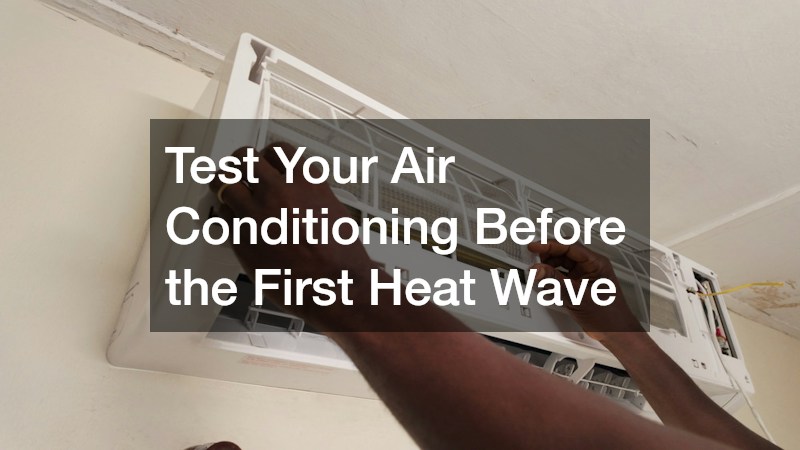
Air conditioners are one of those systems people only think about the moment it breaks, usually on the hottest day of the year when every technician in town is booked solid. Running the system for a few minutes in early spring lets you catch refrigerant leaks, strange noises, or weak airflow while there’s still time to schedule a repair. Dirty coils and clogged filters are among the most common culprits behind reduced cooling performance.
Routine AC service once a year keeps the compressor and refrigerant levels in check, which not only improves comfort but also extends the life of the entire unit. A technician will typically clean the condenser coils, check refrigerant pressure, and inspect electrical connections that can loosen over time. Waiting until the unit fails completely almost always costs more than a simple tune-up would have.
- Replace or clean filters monthly during peak cooling season
- Clear leaves and debris from the outdoor condenser unit
- Check thermostat batteries and calibration each spring
- Listen for unusual rattling, clicking, or grinding sounds
- Keep two feet of clearance around the outdoor unit for airflow
Plan Ahead for Aging or Inefficient Cooling Equipment
Even with consistent maintenance, air conditioning units don’t last forever, and most start losing efficiency after ten to fifteen years of regular use. Rising energy bills despite normal usage patterns are often the first clue that a system is struggling to keep up. Rather than waiting for a complete breakdown during peak summer heat, it’s worth getting an assessment of whether repair or replacement makes more financial sense.
When the time comes, professional AC installation ensures the new unit is correctly sized for your home’s square footage and insulation levels, which matters more than most homeowners realize. An oversized unit cools too quickly and leaves humidity behind, while an undersized one runs constantly and wears out fast. Getting this calculation right from the start affects comfort and utility costs for years to come.
- Compare energy bills year over year to spot declining efficiency
- Ask for a load calculation before choosing a replacement unit size
- Consider a programmable thermostat upgrade during installation
- Look into rebates for high efficiency equipment
- Factor in the age of ductwork when planning a full system replacement
Keep Your Furnace and Ductwork on a Yearly Schedule
Heating and cooling systems share a lot of the same infrastructure, which means neglecting one often affects the other. Ductwork can develop leaks over time, sending conditioned air into attics or crawl spaces instead of living areas, quietly inflating utility bills without any obvious symptoms. An annual inspection of ducts, vents, and the furnace itself helps catch these losses before they add up.
Bundling an inspection of heating and cooling equipment together through comprehensive HVAC services simplifies scheduling and often catches problems that a single-system check might miss. Technicians can test carbon monoxide levels, inspect the heat exchanger for cracks, and confirm that the blower motor is running efficiently. This kind of combined approach tends to be more cost effective than calling separate companies for heating and cooling needs throughout the year.
- Replace furnace filters every one to three months
- Have ductwork inspected for leaks or disconnected sections
- Test carbon monoxide detectors near sleeping areas
- Schedule combined heating and cooling checkups each fall and spring
- Vacuum vents and returns to reduce dust buildup
Protect Your Yard From Seasonal Pest Pressure
Yard maintenance usually focuses on mowing and mulching, but pest pressure is an often overlooked part of outdoor upkeep that affects both comfort and health. Ticks in particular thrive in tall grass, leaf litter, and the edges where lawns meet wooded areas, putting pets and family members at risk of bites that can transmit disease. Keeping grass trimmed and clearing brush piles reduces the habitat these pests prefer.
For yards bordering woods or fields, professional tick control treatments applied in spring and again in late summer can dramatically reduce the population before it becomes a problem. These treatments target the specific zones where ticks congregate rather than blanket spraying the entire yard. Combining this with personal precautions like checking pets after walks adds another layer of protection for the whole household.
- Keep grass mowed short, especially near wooded edges
- Clear leaf litter and brush piles where ticks hide
- Create a gravel or mulch barrier between lawns and wooded areas
- Check pets and children after spending time outdoors
- Schedule treatments in early spring and again in late summer
Refresh Garden Beds and Landscaping Material Annually

Mulch does more than make garden beds look tidy, it regulates soil temperature, retains moisture, and suppresses weeds that compete with plants for nutrients. Over the course of a year, mulch breaks down and loses much of its effectiveness, which means beds that looked great last spring may already need a refresh. Skipping this step can lead to weaker plant health and more frequent watering throughout the hot months.
For larger properties, rental bark blowers make quick work of spreading fresh material evenly across beds without the backbreaking labor of wheelbarrows and rakes. These machines distribute mulch at a consistent depth, which helps with both appearance and moisture retention compared to hand spreading. Many landscaping suppliers offer the equipment and material together, making it a manageable weekend project even for a sizable yard.
- Refresh mulch layers once a year, typically two to three inches deep
- Avoid piling mulch directly against tree trunks or siding
- Check for proper drainage in beds before adding new material
- Consider rental equipment for larger properties to save time
- Choose mulch type based on sun exposure and moisture needs
Inspect Outdoor Shade Structures Before Peak Season
Outdoor living spaces have become an extension of the home for many families, but the structures that provide shade and comfort outside often get far less attention than interior systems. Fabric canopies and mechanical arms can accumulate dirt, mildew, and wear over a winter spent folded away or exposed to the elements. A simple inspection before the first warm weekend can prevent a malfunction during a backyard gathering.
Homeowners with retractable awnings should check the motor function, fabric tension, and any visible fraying along the seams each spring before extending them for the season. Lubricating moving joints and clearing debris from the tracks keeps the mechanism operating smoothly and extends the life of the fabric itself. A professional tune-up every few years is worthwhile for motorized units, since electrical components can wear down in ways that aren’t always obvious from the outside.
- Check fabric for mildew, fraying, or sun damage each spring
- Test motorized functions before the first use of the season
- Clean tracks and lubricate moving joints annually
- Retract awnings during storms or high winds to prevent damage
- Schedule professional servicing every few years for motorized units
Keeping a home running smoothly isn’t about tackling every project at once, it’s about building a rhythm of small checks that prevent big surprises. Walking through this list each year, even just twice annually in spring and fall, puts you back in control of maintenance instead of reacting to emergencies. Start with whichever system feels most overdue, then build the rest of the checklist into your calendar so nothing slips through the cracks again.