
What to Do First After Major Property Damage
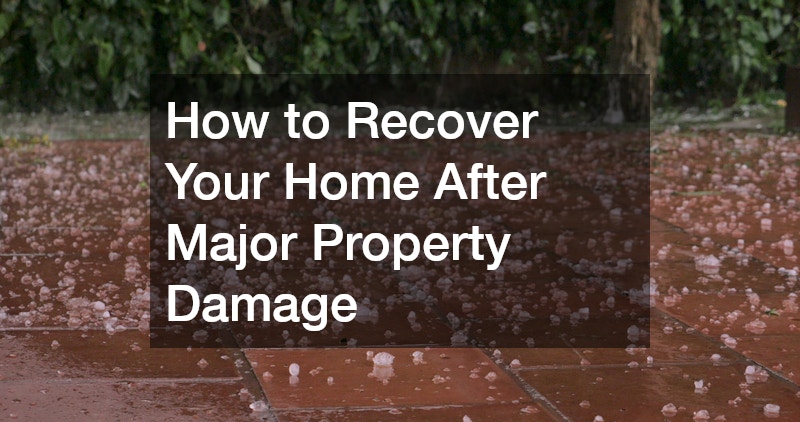
Experiencing major property damage can feel overwhelming, whether it’s caused by a storm, fire, flooding, or another unexpected event. In the immediate aftermath, it’s common to feel uncertain about what steps to take first. However, approaching the situation with a clear, structured plan can significantly reduce stress and prevent costly mistakes. The first priority is always safety, followed closely by stabilizing the property and documenting the damage.
Acting quickly is important, but it’s equally important to avoid rushing into decisions without proper assessment. Many homeowners make the mistake of starting cleanup or repairs before fully understanding the extent of the damage, which can lead to missed issues and complications later. Taking the time to evaluate everything carefully ensures that nothing is overlooked.
It’s also helpful to think of recovery as a phased process. You’ll move from emergency response to cleanup, then to repairs and long-term improvements. Each phase builds on the previous one, creating a smoother and more efficient path forward.
By staying organized and focused, you can turn what feels like a chaotic situation into a manageable project. With the right mindset and support, restoring your home becomes not just possible, but a chance to improve its overall strength and functionality.
Ensure Immediate Safety and Evaluate the Situation
Before beginning any recovery efforts, it’s critical to ensure that your home is safe to enter. Structural damage can create hidden hazards such as weakened floors, unstable walls, or compromised ceilings that could collapse without warning. Take a cautious approach by visually inspecting the property from the outside first, looking for obvious signs of damage before stepping inside.
If you do enter, proceed carefully and avoid areas that appear unsafe. Shutting off utilities is another essential step. Water and electricity can be a dangerous combination, so turning off power at the breaker box is often necessary. If you suspect gas leaks, leave the property immediately and contact professionals. These precautions protect both your household and anyone assisting with recovery.
Once safety is confirmed, begin documenting the damage in detail. Take photos and videos from multiple angles, capturing everything from structural issues to damaged belongings. This documentation plays a crucial role when filing insurance claims and ensures you receive appropriate coverage for repairs.
At this point, contacting a disaster restoration company can provide valuable guidance. These professionals can assess the extent of the damage, identify urgent concerns, and recommend next steps. Their expertise helps you avoid guesswork and ensures that the recovery process starts on the right track.
Clear Out Debris and Create a Clean Working Space
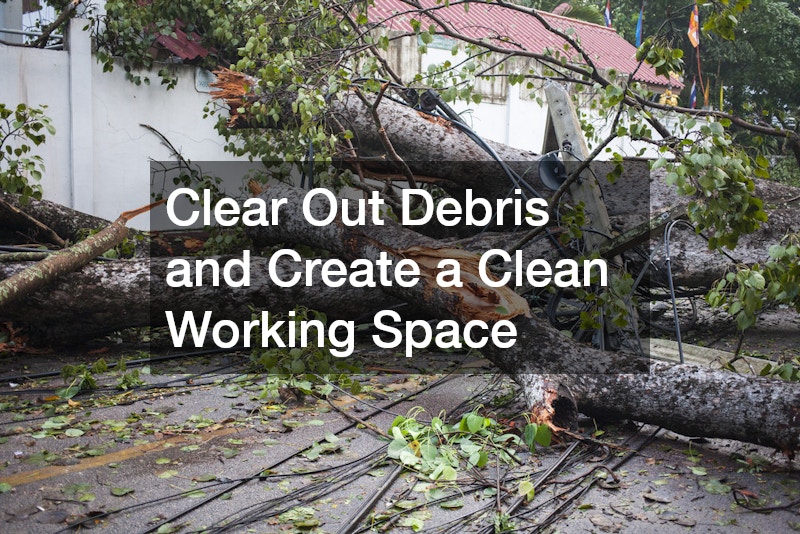
After confirming safety and documenting the damage, the next step is clearing out debris to create a workable environment. This phase is essential because it sets the stage for all future repairs. Leaving damaged materials in place can slow progress, create safety hazards, and even contribute to further deterioration of your home.
Start by removing visibly damaged items such as soaked furniture, broken drywall, insulation, and flooring. It’s important to work methodically, tackling one area at a time to stay organized. Having a designated space for sorting items—salvageable, repairable, and discarded—can make the process more efficient and less overwhelming.
For large-scale cleanup, a dumpster rental provides a convenient solution. It allows you to dispose of significant amounts of debris without making repeated trips to a disposal site. This not only saves time but also keeps your property clear and accessible for contractors.
Certain materials, especially those that are hazardous or contaminated, should be handled by a professional disposal service. These services ensure that waste is removed safely and in accordance with local regulations. Proper disposal prevents environmental issues and protects your health.
Dry and Restore Areas Affected by Water
Water damage can quickly escalate if not addressed immediately, making this one of the most critical stages in the recovery process. Even after visible water is removed, moisture can remain trapped within walls, flooring, and insulation. This hidden moisture can lead to structural weakening and mold growth if left untreated.
Begin by extracting any standing water using pumps, wet vacuums, or absorbent materials. Once the bulk of the water is removed, focus on drying the affected areas thoroughly. Opening windows and using fans can help increase airflow, but these methods are often not sufficient for severe damage.
A professional water restoration service uses specialized equipment such as industrial dehumidifiers and air movers to remove moisture from hard-to-reach areas. They also use moisture meters to detect hidden dampness, ensuring that no problem areas are overlooked. This level of precision is difficult to achieve with standard household tools.
Timing is crucial. The sooner you begin the drying process, the better your chances of minimizing long-term damage. Acting quickly can save structural components, reduce repair costs, and prevent complications in later stages of recovery.
Stop Mold Growth Before It Spreads
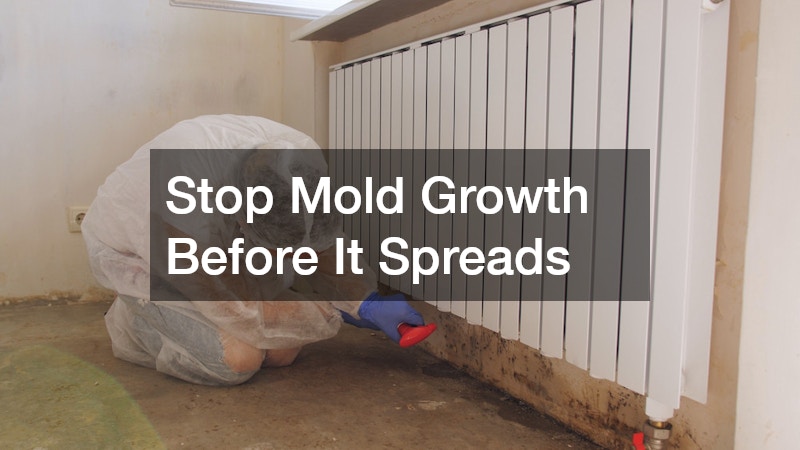
Mold is one of the most serious consequences of water damage, and it can begin developing in as little as 24 to 48 hours. Once it takes hold, it spreads quickly and can affect both your home’s structure and your indoor air quality. Addressing mold early is essential to protecting your health and preventing costly remediation later.
Signs of mold include musty odors, visible discoloration on walls or ceilings, and persistent dampness. It may also develop in hidden areas such as behind drywall or under flooring, making it difficult to detect without professional help.
A black mold remediation service is often necessary for thorough removal. These specialists use containment methods to prevent spores from spreading and apply treatments that eliminate mold at its source. Attempting to handle severe mold issues without proper equipment can actually make the problem worse.
Prevention is just as important as removal. Ensuring that all affected areas are completely dry, improving ventilation, and using moisture-resistant materials during repairs can significantly reduce the risk of future mold growth.
Repair and Reinforce the Roof Structure
The roof serves as your home’s first line of defense against the elements, so any damage to it must be addressed as soon as possible. Even minor issues can lead to significant problems if left untreated, including water intrusion, insulation damage, and structural weakening.
Begin by assessing the condition of your roof from a safe vantage point. Look for missing shingles, visible holes, or sagging areas. Temporary solutions, such as covering damaged sections with tarps, can help prevent additional water from entering your home while you arrange for repairs.
Working with a local roofing contractor ensures that the damage is evaluated accurately. Professionals have the tools and experience needed to identify underlying issues that may not be immediately visible. They can recommend appropriate solutions, whether that involves minor fixes or more extensive work.
Completing necessary roof repairs promptly helps restore your home’s protective barrier and prevents further damage to interior spaces. It also provides peace of mind, knowing that your home is secure against future weather events.
Remove Outdoor Hazards and Restore Surrounding Areas
Property damage often extends beyond the interior of your home, affecting your yard and surrounding landscape. Fallen branches, damaged trees, and scattered debris can create hazards and make it difficult to access your property safely.
Start by clearing smaller debris such as leaves, branches, and loose materials. This not only improves safety but also makes it easier to assess the condition of larger elements like trees and fences. Pay close attention to any trees that appear unstable or partially uprooted.
Professional tree trimming can help remove damaged limbs and restore the health of affected trees. Trimming also reduces the risk of future damage by eliminating weak or overhanging branches that could fall during storms.
Restoring your outdoor space is about more than aesthetics—it’s about creating a safe and functional environment. A clean and well-maintained yard complements the work being done inside your home and helps bring a sense of normalcy back to your property.
Upgrade Damaged Windows and Improve Efficiency
Windows are often among the most vulnerable components during major property damage. Cracks, broken seals, and warped frames can compromise both the comfort and security of your home. Addressing these issues promptly is essential for restoring a stable indoor environment.
Begin by inspecting each window carefully. Look for signs of damage such as drafts, condensation between panes, or difficulty opening and closing. Even small issues can lead to energy loss and increased utility costs over time.
A professional window replacement service can provide solutions that go beyond basic repairs. Modern windows are designed with improved insulation, durability, and security features. Replacing damaged windows not only restores functionality but also enhances your home’s overall performance.
Upgraded windows can help regulate indoor temperatures, reduce noise, and improve energy efficiency. This makes your home more comfortable while also lowering long-term expenses.
Taking the opportunity to upgrade during the recovery process allows you to improve both the appearance and functionality of your home, turning a setback into a valuable improvement.
Coordinate Repairs with Trusted Professionals
Recovering from major property damage often involves multiple types of repairs, from structural work to finishing details. Managing all of these tasks on your own can quickly become overwhelming, especially when dealing with timelines, budgets, and different contractors.
Partnering with a reliable restoration company simplifies the process significantly. These professionals act as project managers, coordinating various aspects of the recovery and ensuring that everything progresses smoothly. They help schedule work, oversee quality, and keep the project on track.
Communication is key during this phase. Stay engaged by asking questions, reviewing progress, and confirming that all work meets your expectations. A good team will keep you informed and address any concerns promptly.
Working with experienced professionals also ensures that repairs are completed according to local building codes and industry standards. This not only improves the quality of the work but also helps avoid potential issues in the future.
Plan Ahead to Prevent Future Damage
Once your home has been restored, it’s important to shift your focus toward prevention. Understanding what caused the damage and how it could have been minimized provides valuable insight for future improvements.
Start by identifying any weak points in your home’s structure or systems. This could include areas prone to leaks, poor drainage, or insufficient insulation. Addressing these vulnerabilities now can help prevent similar issues down the line.
Consulting with a disaster restoration company can provide expert recommendations for strengthening your home. They may suggest upgrades such as improved roofing materials, better sealing, or enhanced drainage systems.
Creating a maintenance plan is another important step. Regular inspections, timely repairs, and seasonal upkeep all contribute to long-term resilience. Setting aside a budget for maintenance and unexpected repairs can also reduce financial stress in the future.
By taking a proactive approach, you can transform your home into a more durable and secure space, better equipped to handle whatever challenges may arise.
Final Cleanup and Returning to Everyday Life
As the major repairs come to an end, the final phase of recovery focuses on restoring comfort and normalcy. This involves a thorough cleanup and careful inspection of all completed work to ensure everything meets your expectations.
Begin by removing any remaining debris, dust, and construction materials. A professional disposal service can assist with this process, ensuring that all waste is handled efficiently and safely. A clean environment not only looks better but also supports a healthier living space.
Take time to walk through your home and test all systems, including plumbing, electrical, and heating or cooling. Confirm that everything is functioning properly and address any remaining concerns before fully settling back in.
This stage is also an opportunity to refresh your space. Rearranging furniture, adding new decor, or making small upgrades can help restore a sense of comfort and make your home feel welcoming again.
Completing this final step marks the transition from recovery to everyday living, allowing you to fully enjoy the results of your efforts and move forward with confidence.
Rebuilding Stronger and Moving Forward with Confidence
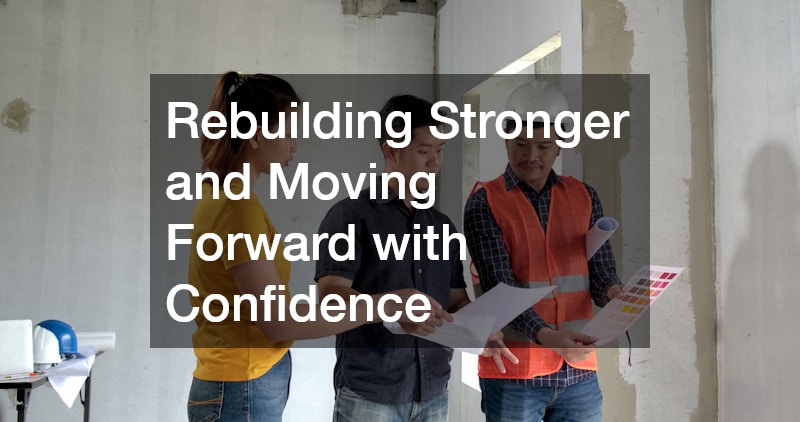
Recovering from major property damage is never easy, but it offers an opportunity to rebuild your home with greater strength and resilience. By approaching each step methodically—from ensuring safety to completing final cleanup—you create a solid foundation for long-term success.
Every improvement made during this process contributes to a safer, more efficient, and more comfortable living environment. With careful planning and the right support, you can move beyond the damage and create a home that is better prepared for the future.
Taking the lessons learned and applying them moving forward ensures that your home remains a secure and dependable space for years to come.
What to Do First After Major Property Damage
Experiencing major property damage can feel overwhelming, whether it’s caused by a storm, fire, flooding, or another unexpected event. In the immediate aftermath, it’s common to feel uncertain about what steps to take first. However, approaching the situation with a clear, structured plan can significantly reduce stress and prevent costly mistakes. The first priority is always safety, followed closely by stabilizing the property and documenting the damage.
Acting quickly is important, but it’s equally important to avoid rushing into decisions without proper assessment. Many homeowners make the mistake of starting cleanup or repairs before fully understanding the extent of the damage, which can lead to missed issues and complications later. Taking the time to evaluate everything carefully ensures that nothing is overlooked.
It’s also helpful to think of recovery as a phased process. You’ll move from emergency response to cleanup, then to repairs and long-term improvements. Each phase builds on the previous one, creating a smoother and more efficient path forward.
By staying organized and focused, you can turn what feels like a chaotic situation into a manageable project. With the right mindset and support, restoring your home becomes not just possible, but a chance to improve its overall strength and functionality.
Ensure Immediate Safety and Evaluate the Situation
Before beginning any recovery efforts, it’s critical to ensure that your home is safe to enter. Structural damage can create hidden hazards such as weakened floors, unstable walls, or compromised ceilings that could collapse without warning. Take a cautious approach by visually inspecting the property from the outside first, looking for obvious signs of damage before stepping inside.
If you do enter, proceed carefully and avoid areas that appear unsafe. Shutting off utilities is another essential step. Water and electricity can be a dangerous combination, so turning off power at the breaker box is often necessary. If you suspect gas leaks, leave the property immediately and contact professionals. These precautions protect both your household and anyone assisting with recovery.
Once safety is confirmed, begin documenting the damage in detail. Take photos and videos from multiple angles, capturing everything from structural issues to damaged belongings. This documentation plays a crucial role when filing insurance claims and ensures you receive appropriate coverage for repairs.
At this point, contacting a disaster restoration company can provide valuable guidance. These professionals can assess the extent of the damage, identify urgent concerns, and recommend next steps. Their expertise helps you avoid guesswork and ensures that the recovery process starts on the right track.
Clear Out Debris and Create a Clean Working Space
After confirming safety and documenting the damage, the next step is clearing out debris to create a workable environment. This phase is essential because it sets the stage for all future repairs. Leaving damaged materials in place can slow progress, create safety hazards, and even contribute to further deterioration of your home.
Start by removing visibly damaged items such as soaked furniture, broken drywall, insulation, and flooring. It’s important to work methodically, tackling one area at a time to stay organized. Having a designated space for sorting items—salvageable, repairable, and discarded—can make the process more efficient and less overwhelming.
For large-scale cleanup, a dumpster rental provides a convenient solution. It allows you to dispose of significant amounts of debris without making repeated trips to a disposal site. This not only saves time but also keeps your property clear and accessible for contractors.
Certain materials, especially those that are hazardous or contaminated, should be handled by a professional disposal service. These services ensure that waste is removed safely and in accordance with local regulations. Proper disposal prevents environmental issues and protects your health.
Dry and Restore Areas Affected by Water
Water damage can quickly escalate if not addressed immediately, making this one of the most critical stages in the recovery process. Even after visible water is removed, moisture can remain trapped within walls, flooring, and insulation. This hidden moisture can lead to structural weakening and mold growth if left untreated.
Begin by extracting any standing water using pumps, wet vacuums, or absorbent materials. Once the bulk of the water is removed, focus on drying the affected areas thoroughly. Opening windows and using fans can help increase airflow, but these methods are often not sufficient for severe damage.
A professional water restoration service uses specialized equipment such as industrial dehumidifiers and air movers to remove moisture from hard-to-reach areas. They also use moisture meters to detect hidden dampness, ensuring that no problem areas are overlooked. This level of precision is difficult to achieve with standard household tools.
Timing is crucial. The sooner you begin the drying process, the better your chances of minimizing long-term damage. Acting quickly can save structural components, reduce repair costs, and prevent complications in later stages of recovery.
Stop Mold Growth Before It Spreads
Mold is one of the most serious consequences of water damage, and it can begin developing in as little as 24 to 48 hours. Once it takes hold, it spreads quickly and can affect both your home’s structure and your indoor air quality. Addressing mold early is essential to protecting your health and preventing costly remediation later.
Signs of mold include musty odors, visible discoloration on walls or ceilings, and persistent dampness. It may also develop in hidden areas such as behind drywall or under flooring, making it difficult to detect without professional help.
A black mold remediation service is often necessary for thorough removal. These specialists use containment methods to prevent spores from spreading and apply treatments that eliminate mold at its source. Attempting to handle severe mold issues without proper equipment can actually make the problem worse.
Prevention is just as important as removal. Ensuring that all affected areas are completely dry, improving ventilation, and using moisture-resistant materials during repairs can significantly reduce the risk of future mold growth.
Repair and Reinforce the Roof Structure
The roof serves as your home’s first line of defense against the elements, so any damage to it must be addressed as soon as possible. Even minor issues can lead to significant problems if left untreated, including water intrusion, insulation damage, and structural weakening.
Begin by assessing the condition of your roof from a safe vantage point. Look for missing shingles, visible holes, or sagging areas. Temporary solutions, such as covering damaged sections with tarps, can help prevent additional water from entering your home while you arrange for repairs.
Working with a local roofing contractor ensures that the damage is evaluated accurately. Professionals have the tools and experience needed to identify underlying issues that may not be immediately visible. They can recommend appropriate solutions, whether that involves minor fixes or more extensive work.
Completing necessary roof repairs promptly helps restore your home’s protective barrier and prevents further damage to interior spaces. It also provides peace of mind, knowing that your home is secure against future weather events.
Remove Outdoor Hazards and Restore Surrounding Areas
Property damage often extends beyond the interior of your home, affecting your yard and surrounding landscape. Fallen branches, damaged trees, and scattered debris can create hazards and make it difficult to access your property safely.
Start by clearing smaller debris such as leaves, branches, and loose materials. This not only improves safety but also makes it easier to assess the condition of larger elements like trees and fences. Pay close attention to any trees that appear unstable or partially uprooted.
Professional tree trimming can help remove damaged limbs and restore the health of affected trees. Trimming also reduces the risk of future damage by eliminating weak or overhanging branches that could fall during storms.
Restoring your outdoor space is about more than aesthetics—it’s about creating a safe and functional environment. A clean and well-maintained yard complements the work being done inside your home and helps bring a sense of normalcy back to your property.
Upgrade Damaged Windows and Improve Efficiency

Windows are often among the most vulnerable components during major property damage. Cracks, broken seals, and warped frames can compromise both the comfort and security of your home. Addressing these issues promptly is essential for restoring a stable indoor environment.
Begin by inspecting each window carefully. Look for signs of damage such as drafts, condensation between panes, or difficulty opening and closing. Even small issues can lead to energy loss and increased utility costs over time.
A professional window replacement service can provide solutions that go beyond basic repairs. Modern windows are designed with improved insulation, durability, and security features. Replacing damaged windows not only restores functionality but also enhances your home’s overall performance.
Upgraded windows can help regulate indoor temperatures, reduce noise, and improve energy efficiency. This makes your home more comfortable while also lowering long-term expenses.
Taking the opportunity to upgrade during the recovery process allows you to improve both the appearance and functionality of your home, turning a setback into a valuable improvement.
Coordinate Repairs with Trusted Professionals
Recovering from major property damage often involves multiple types of repairs, from structural work to finishing details. Managing all of these tasks on your own can quickly become overwhelming, especially when dealing with timelines, budgets, and different contractors.
Partnering with a reliable restoration company simplifies the process significantly. These professionals act as project managers, coordinating various aspects of the recovery and ensuring that everything progresses smoothly. They help schedule work, oversee quality, and keep the project on track.
Communication is key during this phase. Stay engaged by asking questions, reviewing progress, and confirming that all work meets your expectations. A good team will keep you informed and address any concerns promptly.
Working with experienced professionals also ensures that repairs are completed according to local building codes and industry standards. This not only improves the quality of the work but also helps avoid potential issues in the future.
Plan Ahead to Prevent Future Damage
Once your home has been restored, it’s important to shift your focus toward prevention. Understanding what caused the damage and how it could have been minimized provides valuable insight for future improvements.
Start by identifying any weak points in your home’s structure or systems. This could include areas prone to leaks, poor drainage, or insufficient insulation. Addressing these vulnerabilities now can help prevent similar issues down the line.
Consulting with a disaster restoration company can provide expert recommendations for strengthening your home. They may suggest upgrades such as improved roofing materials, better sealing, or enhanced drainage systems.
Creating a maintenance plan is another important step. Regular inspections, timely repairs, and seasonal upkeep all contribute to long-term resilience. Setting aside a budget for maintenance and unexpected repairs can also reduce financial stress in the future.
By taking a proactive approach, you can transform your home into a more durable and secure space, better equipped to handle whatever challenges may arise.
Final Cleanup and Returning to Everyday Life
As the major repairs come to an end, the final phase of recovery focuses on restoring comfort and normalcy. This involves a thorough cleanup and careful inspection of all completed work to ensure everything meets your expectations.
Begin by removing any remaining debris, dust, and construction materials. A professional disposal service can assist with this process, ensuring that all waste is handled efficiently and safely. A clean environment not only looks better but also supports a healthier living space.
Take time to walk through your home and test all systems, including plumbing, electrical, and heating or cooling. Confirm that everything is functioning properly and address any remaining concerns before fully settling back in.
This stage is also an opportunity to refresh your space. Rearranging furniture, adding new decor, or making small upgrades can help restore a sense of comfort and make your home feel welcoming again.
Completing this final step marks the transition from recovery to everyday living, allowing you to fully enjoy the results of your efforts and move forward with confidence.
Rebuilding Stronger and Moving Forward with Confidence
Recovering from major property damage is never easy, but it offers an opportunity to rebuild your home with greater strength and resilience. By approaching each step methodically—from ensuring safety to completing final cleanup—you create a solid foundation for long-term success.
Every improvement made during this process contributes to a safer, more efficient, and more comfortable living environment. With careful planning and the right support, you can move beyond the damage and create a home that is better prepared for the future.
Taking the lessons learned and applying them moving forward ensures that your home remains a secure and dependable space for years to come.