
Your home should be a sanctuary—a place where you feel safe, secure, and comfortable. Yet, every year, thousands of homeowners face accidents, property damage, and emergencies that could have been prevented with timely awareness and intervention. From structural weaknesses to water leaks, wildlife intrusions, and security vulnerabilities, a wide range of hazards can threaten your home. Understanding these risks and addressing them proactively is essential not only to protect your property but also to ensure the safety of your family.
Home hazards come in many forms. Some are visible, such as broken windows or overgrown trees, while others are hidden, like weak plumbing, water damage, or unsecured entry points. A small oversight can escalate into costly repairs or dangerous situations if left unchecked. Fortunately, with the right knowledge and quick action, many of these risks can be mitigated. This guide will explore the most common home hazards and provide practical strategies to improve safety fast. Along the way, we’ll highlight professional services and quick fixes that can make a significant difference, including emergency plumbing services, home security solutions, and wildlife control options.
By taking the right steps today, you can prevent accidents, reduce potential property damage, and enjoy peace of mind knowing your home is a safe environment for everyone. Moreover, proactive improvements often save homeowners thousands of dollars in the long run.
Common Structural Hazards in Homes
One of the most overlooked yet critical aspects of home safety is structural integrity. Weak roofs, unstable garage doors, and poor construction can create serious hazards. Every year, thousands of homeowners experience injuries or property damage caused by structural failures.
Key Structural Hazards:
-
Weak Roofs and Ceilings: Roofs exposed to years of weathering can develop cracks, leaks, or sagging. Snow accumulation, heavy rain, or strong winds can exacerbate the problem, potentially leading to ceiling collapse.
-
Garage Door Failures: Automatic garage doors may seem sturdy, but springs, cables, and sensors can wear out over time. Faulty doors can cause severe injuries if they suddenly close or fall.
-
Poorly Constructed or Aging Walls and Floors: Cracks, uneven floors, and loose tiles are not only aesthetic issues—they can cause trips and falls and indicate deeper structural concerns.
Improvement Strategies:
-
Hire Professionals for Inspections: Custom home builders can evaluate your home’s structural integrity and recommend reinforcements or repairs. Even older homes benefit from a professional structural assessment.
-
Reinforce Weak Areas: Strengthen beams, ceilings, or flooring as advised by specialists. Use durable materials and modern construction techniques.
-
Garage Door Maintenance: Regular servicing by garage door repair experts prevents accidents. Lubricate moving parts, adjust tension, and test sensors.
-
Install Safety Doors: Metal security doors not only prevent break-ins but also add rigidity to entry points, increasing structural resilience.
Homeowners should consider scheduling annual structural inspections. Catching small issues early often prevents major renovations later.
Water-Related Hazards and Emergency Solutions
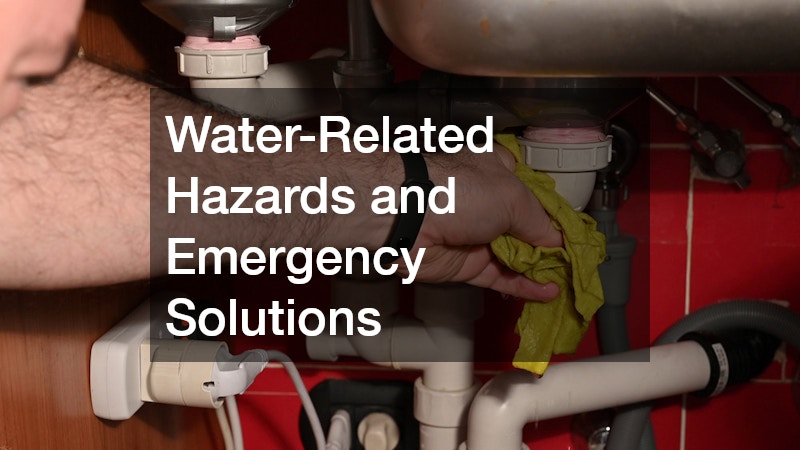
Water is one of the most destructive forces for homes. Leaks, flooding, and plumbing failures can cause extensive damage to walls, floors, and personal belongings. Additionally, moisture problems can promote mold growth, which can pose serious health risks.
Common Water Hazards:
-
Burst Pipes and Leaks: A minor drip can go unnoticed for weeks, while a sudden pipe burst can flood entire rooms in minutes.
-
Mold and Mildew Growth: Mold thrives in damp conditions, causing structural damage and health problems like respiratory issues, allergies, or asthma.
-
Basement or Groundwater Flooding: Homes in low-lying areas or those with poor drainage systems are particularly vulnerable during heavy rain.
Quick Fixes and Prevention:
-
Emergency Plumbing Service: Having access to a reliable emergency plumbing service ensures rapid response to leaks or bursts, minimizing damage.
-
Water Restoration: Water restoration companies specialize in drying, dehumidifying, and restoring water-damaged areas, preventing mold and structural issues.
-
Install Sump Pumps or Drainage Systems: Proper drainage can prevent flooding, especially in basements or areas prone to heavy rainfall.
-
Regular Maintenance: Inspect faucets, water heaters, and visible pipes for leaks, corrosion, or signs of wear. Small preventive measures can save thousands of dollars in repairs.
Water hazards are often underestimated. Even minor leaks, if ignored, can lead to costly and dangerous situations. Installing high-quality plumbing components and performing seasonal maintenance checks is essential.
Wildlife and Pest Threats
Animals may seem harmless from afar, but wildlife intrusions can lead to property damage, injuries, and health risks. From raccoons to snakes, rodents, and birds, these intruders can wreak havoc in your home.
Risks Associated with Wildlife:
-
Property Damage: Rodents gnaw wires, chew insulation, and damage furniture. Birds nesting in attics or eaves can compromise roof structures.
-
Health Hazards: Wildlife may carry diseases such as leptospirosis, hantavirus, or rabies. Their droppings can contaminate surfaces.
-
Allergic Reactions: Droppings, fur, and nesting materials can trigger asthma or severe allergies.
Preventive Measures:
-
Seal Entry Points: Check your home’s exterior for gaps, cracks, and vents that animals might exploit. Seal them with durable materials.
-
Install Deterrents: Humane traps, ultrasonic devices, and repellents can discourage animals from entering your property.
-
Professional Wildlife Control: Hiring experts ensures safe and effective removal of wildlife while minimizing property damage.
Regular inspections of attics, basements, and crawl spaces help prevent wildlife intrusion. Combining preventive measures with professional wildlife control solutions ensures both safety and peace of mind.
Tree and Landscaping Hazards
While trees enhance the beauty of a property, they can also pose significant risks if not properly maintained. Overgrown, diseased, or unstable trees can cause damage to roofs, windows, and power lines during storms or high winds.
Common Landscaping Hazards:
-
Falling Branches: Dead or weakened branches may fall unexpectedly, injuring people or damaging property.
-
Unstable Trees: Trees with shallow roots or disease may topple, especially during storms or high winds.
-
Blocked Pathways and Emergency Access: Overgrown trees can obstruct paths and access for emergency vehicles.
Prevention and Safety Measures:
-
Regular Trimming and Maintenance: Tree services can prune branches, remove dead limbs, and assess tree health.
-
Professional Assessment: Arborists evaluate structural integrity and determine whether removal or reinforcement is necessary.
-
Proper Landscaping Design: Keep trees away from roofs, windows, and power lines to reduce hazard risks.
Proper tree maintenance reduces the risk of accidents, storm damage, and costly repairs. A proactive approach ensures the safety of both your family and your property.
Window, Awning, and Exterior Hazards
Windows, awnings, and other exterior features enhance a home’s functionality and curb appeal, but poorly installed or maintained components can be dangerous.
Potential Hazards:
-
Broken or Weak Windows: Glass panes can shatter easily, especially during storms, causing injuries.
-
Falling Awnings or Canopies: Improperly secured awnings may detach during high winds.
-
Unsecured Exterior Fixtures: Loose gutters, fences, or decorative elements can fall unexpectedly.
Improvement Measures:
-
Professional Window Treatments: Window treatment companies can install reinforced glass and secure frames to prevent break-ins and injuries.
-
Awning Maintenance: Awning companies inspect and repair existing structures or replace worn-out components.
-
Regular Inspections: Check for loose screws, rust, or wear and repair them promptly.
Exterior improvements are simple yet highly effective. Ensuring all windows, awnings, and fixtures are secure prevents accidents and improves home safety.
Home Security Risks and Solutions
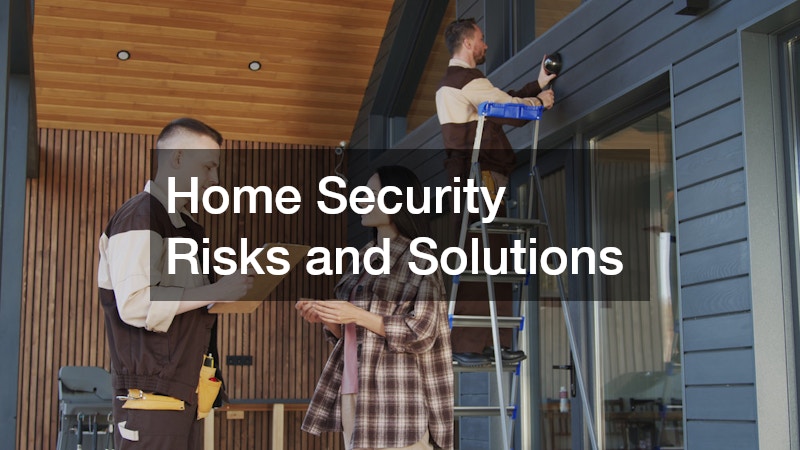
Home security is a major aspect of safety. Weak locks, unsecured doors, and outdated alarm systems increase vulnerability to intruders and accidents.
Common Security Hazards:
-
Unlocked or Weak Doors: Easily bypassed entry points invite break-ins.
-
Outdated Alarm Systems: Malfunctioning alarms fail to alert homeowners or deter intruders.
-
Poorly Lit Areas: Dark corners or driveways increase risks for accidents and crime.
Solutions for Safety:
-
Install Metal Security Doors: These doors provide extra protection against break-ins and reinforce structural integrity.
-
Upgrade Locks and Alarms: Modern locks, smart locks, and updated alarms enhance home security.
-
Outdoor Lighting: Motion-sensor lights reduce opportunities for intrusions and improve nighttime safety.
-
Neighborhood Watch and Surveillance: Integrating home security with community vigilance adds extra protection.
Small upgrades in security, like reinforced doors or updated locks, significantly enhance both protection and peace of mind.
Emergency Preparedness for Plumbing and Utilities
Home emergencies don’t always provide warnings. Leaks, gas line issues, or electrical failures can escalate quickly without immediate action.
Common Emergencies:
-
Sudden Plumbing Failures: Burst pipes or blocked drains can flood rooms rapidly.
-
Gas Leaks: Undetected leaks pose serious explosion and health risks.
-
Electrical Hazards: Faulty wiring or overloaded circuits may lead to fires.
Preparedness Measures:
-
Emergency Plumbing Service Contacts: Keep reliable contacts for quick response to leaks or bursts.
-
Gas and Electrical Safety Checks: Schedule periodic inspections by licensed professionals.
-
Home Emergency Kit: Include flashlights, basic tools, and shut-off instructions for water, gas, and electricity.
-
Immediate Response Plan: Ensure all household members know what to do in emergencies.
Being prepared minimizes both property damage and personal risk. Quick action can prevent minor problems from becoming disasters.
Proactive Maintenance and Inspection Tips
Regular maintenance is the best way to prevent hazards. A proactive approach identifies risks before they escalate, saving time, money, and stress.
Maintenance Strategies:
-
Structural Checks: Inspect roofs, floors, walls, and doors periodically.
-
Water Safety: Test pipes, water heaters, and drainage systems regularly.
-
Exterior and Landscaping: Trim trees, secure awnings, and repair fences.
-
Security Reviews: Update locks, test alarms, and evaluate lighting.
-
Professional Services: Engage custom home builders, window treatment companies, and tree services for inspections and improvements.
Routine inspections help homeowners stay ahead of potential dangers. Combining DIY vigilance with professional expertise ensures comprehensive safety.
Seasonal Home Hazards and Safety Tips
Home hazards can vary throughout the year, and recognizing seasonal risks is key to improving safety quickly. For example, winter brings frozen pipes and ice hazards, while summer storms increase the risk of flooding and falling branches. Here are some seasonal considerations:
Winter Hazards:
-
Frozen Pipes: Insulate exposed pipes in basements, attics, and crawl spaces. Keep indoor temperatures above freezing.
-
Ice and Snow Accumulation: Regularly clear driveways, walkways, and roofs to prevent slips, falls, and roof collapse.
-
Heater Safety: Inspect heating systems, chimneys, and vents to reduce fire risk.
Spring and Summer Hazards:
-
Storm Damage: Trim trees and branches before storms to prevent damage. Use tree services for thorough assessments.
-
Water Damage from Rain: Ensure proper drainage systems and gutters are functioning to prevent flooding. Emergency plumbing services and water restoration companies can help if damage occurs.
-
Wildlife Activity: Many animals are more active in warmer months, so sealing gaps and consulting wildlife control experts can prevent infestations.
Fall Hazards:
-
Falling Leaves: Keep gutters clear to prevent water backups and foundation damage.
-
Cooling System Maintenance: Check air conditioning units for leaks or wear. Window treatment companies can also help with proper insulation.
-
Seasonal Security: Shorter days may increase home break-in risks; ensure home security systems are fully functional.
By preparing for hazards seasonally, homeowners can prevent accidents before they occur and reduce emergency expenses.
Quick Safety Checklist for Homeowners
Creating a simple safety checklist ensures no hazards are overlooked. Here’s a practical guide you can follow:
Structural and Exterior Safety:
-
Inspect roofs, ceilings, and walls for cracks or water damage.
-
Test garage doors and repair any malfunctions.
-
Reinforce doors with metal security doors if necessary.
-
Check windows and awnings for secure installation.
Water and Plumbing Safety:
-
Test all faucets and water heaters for leaks.
-
Know the location of your main water shut-off valve.
-
Schedule emergency plumbing service inspections if leaks or slow drains are present.
-
Keep contact details for a water restoration company in case of flooding.
Wildlife and Landscaping Safety:
-
Seal gaps and entry points around your home.
-
Trim trees and remove dead branches.
-
Hire tree services or wildlife control professionals if needed.
-
Keep garbage secured to avoid attracting animals.
Security Safety:
-
Test all locks and alarm systems.
-
Add outdoor lighting, especially around dark areas and entrances.
-
Consider installing surveillance cameras or smart security systems.
-
Perform regular home security audits with a checklist or professional consultation.
Emergency Preparedness:
-
Keep an emergency kit with flashlights, first aid, and basic tools.
-
Ensure family members know how to shut off water, gas, and electricity.
-
Establish a communication plan for emergencies.
-
Keep contact info for trusted services, including garage door repair, plumbing, and wildlife control.
A checklist like this allows homeowners to systematically address hazards and stay on top of home safety throughout the year.
DIY Improvements vs. Professional Help
Many homeowners wonder which safety improvements they can do themselves and which require professional expertise. Understanding this distinction ensures both safety and cost-efficiency.
DIY Improvements:
-
Tightening loose screws on doors, windows, and awnings.
-
Clearing gutters, driveways, and walkways.
-
Testing smoke and carbon monoxide detectors.
-
Lubricating garage door tracks and hinges.
Professional Services:
-
Structural assessments and reinforcements by custom home builders.
-
Emergency plumbing services for serious leaks or pipe bursts.
-
Tree services for pruning, removal, or storm preparation.
-
Wildlife control for infestations or larger animal removal.
-
Installing or upgrading home security systems, including metal security doors.
A combination of DIY vigilance and professional assistance ensures comprehensive safety without unnecessary expense.
Long-Term Home Safety Investments
Beyond quick fixes, long-term investments make a home safer and more resilient. Consider these improvements:
-
Metal Security Doors: Reinforce all entry points and increase protection against break-ins.
-
High-Quality Windows and Awnings: Use materials that resist storm damage and increase insulation. Window treatment companies can recommend energy-efficient and secure options.
-
Landscape Planning: Plant trees away from structures and use durable materials for fences and walkways.
-
Plumbing Upgrades: Install modern pipes resistant to corrosion, freezing, and leaks.
-
Smart Home Security Systems: Integrate alarms, motion sensors, and cameras for proactive monitoring.
Investing in these upgrades reduces ongoing maintenance, prevents emergencies, and increases home value.
Creating a Safety Culture in the Home

Safety isn’t just about structures and equipment; it’s also about habits and awareness. Families can adopt practices that reinforce safety every day:
-
Routine Inspections: Walk through your home weekly to check for hazards.
-
Teach Children Safety Practices: Educate kids on avoiding risks, such as staying away from broken branches or electrical outlets.
-
Maintain Clear Communication: Everyone in the household should know emergency procedures and contacts.
-
Document Safety Improvements: Keep a log of inspections, repairs, and professional service visits.
Cultivating a safety culture ensures hazards are spotted early and everyone knows how to respond when emergencies arise.
Conclusion
Home hazards are numerous, but they are manageable. From structural weaknesses to water emergencies, wildlife intrusions, tree hazards, exterior issues, and security vulnerabilities, each risk can be mitigated with proactive measures. By combining regular maintenance, professional services, and emergency preparedness, homeowners can create a safe, secure, and resilient environment for their families.
Even small improvements, like reinforcing garage doors, installing metal security doors, upgrading window treatments, or scheduling tree services, have a significant impact. Having emergency contacts for plumbing issues, water restoration, and wildlife control ensures a rapid response when incidents occur.
The key takeaway is simple: vigilance and action prevent accidents. Don’t wait for a minor problem to escalate. Start today by inspecting your home, addressing vulnerabilities, and engaging the right professionals. Safety is not just protection—it’s peace of mind.