
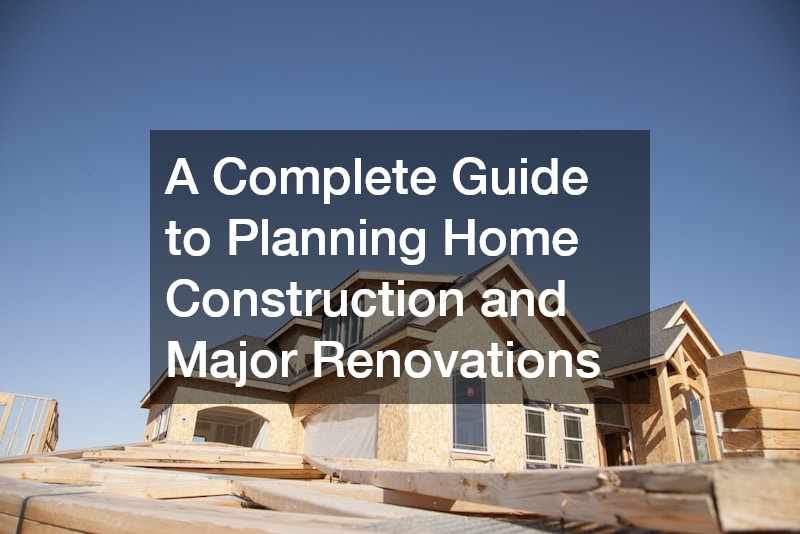
Planning a major renovation or new build is an exciting milestone, but it also requires careful coordination and thoughtful decision-making. Whether you are updating a single room or transforming your entire property, a structured plan helps align your vision with your budget, timeline, and long-term goals. Construction projects often involve multiple moving parts, including design considerations, material selections, scheduling, inspections, and skilled labor. Without a clear roadmap, even small oversights can lead to delays, added expenses, or design inconsistencies. Taking time to approach the process methodically allows you to move forward with greater clarity and confidence.
Beyond aesthetics, home upgrades affect functionality, efficiency, and property value. Structural adjustments, system improvements, and exterior enhancements all play a role in how well your space performs over time. A comprehensive plan considers both immediate needs and future lifestyle changes, helping you create a home that remains adaptable and durable. From setting priorities to preparing for unexpected challenges, each step contributes to a smoother overall experience. By understanding the fundamentals of planning, budgeting, and coordination, you can approach your project strategically and reduce unnecessary stress. With the right preparation, large-scale renovations and new builds become manageable, rewarding investments in your property’s long-term success.

Defining Your Construction And Renovation Goals
Every successful project begins with clearly defined goals. Before selecting finishes or meeting with professionals, it is important to determine what you want to accomplish and why. Are you expanding your living space, improving energy efficiency, increasing resale value, or modernizing outdated features? Clarifying your objectives provides direction and prevents scope creep later in the process. It also helps you prioritize which areas of your property deserve the most attention. When goals are specific and measurable, decision-making becomes more straightforward, and compromises feel more intentional rather than reactive.
On a more detailed level, defining your goals may involve mapping out the full scope of your home construction plans. This includes determining whether you are adding square footage, reconfiguring layouts, or addressing structural updates. You may also evaluate how new additions will integrate with existing architecture, utilities, and exterior elements. By outlining these expectations early, you create a foundation for productive conversations with designers and contractors.
Establishing A Realistic Project Budget
Creating a realistic budget is one of the most critical components of planning a construction or renovation project. Costs can fluctuate based on materials, labor availability, design complexity, and unforeseen structural conditions. Without a clear financial plan, projects can quickly exceed expectations and cause unnecessary strain. A comprehensive budget should account for major expenses such as materials, labor, permits, and inspections, while also setting aside a contingency reserve for unexpected developments. Taking the time to research average costs in your area provides a helpful starting point and allows you to evaluate what is feasible within your investment range.
On a more specific level, working closely with remodeling contractors can help refine your budget and identify areas where adjustments may be needed. Detailed estimates provide insight into labor requirements, timelines, and material costs, allowing you to make informed decisions about upgrades or design modifications. Transparent communication about priorities and financial boundaries reduces the likelihood of surprise expenses later on. By approaching budgeting as a collaborative and ongoing process rather than a one-time estimate, you gain greater control over your project’s financial outcome. A realistic budget not only protects your investment but also supports a smoother and more predictable construction experience.
Researching Local Building Codes And Permits
Understanding local building codes and permit requirements is a foundational step in any renovation or new build. Municipal regulations exist to promote safety, structural integrity, and community standards, and failing to comply can result in costly fines or required rework. Before construction begins, it is essential to research zoning laws, inspection processes, and documentation requirements that apply to your specific project. Some improvements may require multiple permits, especially when structural, electrical, or plumbing systems are involved. By addressing these obligations early, you reduce the risk of unexpected interruptions once work is underway.
On a more specific level, certain upgrades such as roof repairs often require inspections or approvals depending on the extent of the work and local regulations. Structural changes, material replacements, or alterations to drainage systems may trigger additional documentation or compliance reviews. Consulting with your local building department or a knowledgeable professional can clarify timelines and necessary paperwork. Factoring permit processing times into your schedule also prevents avoidable delays.

Selecting Qualified Contractors And Specialists
Choosing the right professionals can significantly influence the outcome of your project. Skilled contractors bring technical knowledge, problem-solving abilities, and project management experience that streamline construction from start to finish. Evaluating credentials, reviewing previous work, and checking references help you determine whether a contractor’s experience aligns with your needs. Clear communication and transparency are equally important, as strong collaboration supports smoother scheduling and fewer misunderstandings. Selecting professionals who understand your goals and expectations creates a foundation for a productive working relationship.
More specifically, large-scale projects often require coordination among multiple specialists, including electricians, plumbers, and ac companies that handle climate control systems. Verifying licenses, insurance coverage, and relevant certifications protects both your property and your investment. It is also helpful to confirm timelines and availability early in the planning phase to avoid scheduling conflicts. By assembling a reliable team with complementary expertise, you improve efficiency and reduce the likelihood of costly mistakes. Thoughtful selection of contractors and specialists contributes directly to the quality, safety, and longevity of your completed renovation.
Developing A Detailed Project Timeline
A well-structured timeline keeps construction projects organized and on track. Breaking the project into phases, such as demolition, structural work, system installation, and finishing details, helps clarify sequencing and expectations. Establishing realistic timeframes for each phase prevents overlapping tasks that could cause confusion or delays. Weather conditions, material availability, and inspection scheduling all influence the overall timeline. When milestones are clearly defined, progress can be monitored more effectively, and adjustments can be made without disrupting the entire plan.
On a more detailed level, certain components, such as coordinating with insulation companies, may require scheduling flexibility based on material lead times and installation requirements. Insulation work often occurs after framing and before drywall, making precise timing essential to avoid setbacks. Communicating consistently with all involved parties ensures each phase transitions smoothly into the next. Incorporating buffer periods into your schedule also accounts for unforeseen delays, helping maintain momentum. A thoughtfully developed timeline not only improves efficiency but also reduces stress by providing a clear roadmap from the initial stages of construction to final completion.
Choosing Durable And Efficient Materials
Selecting the right materials plays a significant role in the longevity and performance of your renovation or construction project. Durable materials not only enhance visual appeal but also reduce long-term repair and replacement costs. When evaluating options, consider factors such as climate conditions, maintenance requirements, and energy efficiency. High-quality materials often provide better resistance to moisture, temperature fluctuations, and everyday wear. While initial costs may vary, investing in reliability can lead to substantial savings over time. Careful comparison of warranties, manufacturer standards, and installation recommendations helps confirm that your selections align with your overall goals.
On a more specific level, exterior surfaces such as a concrete driveway require materials designed to withstand heavy loads, seasonal changes, and regular use. Choosing the appropriate mix, thickness, and finishing technique influences both durability and curb appeal. Reinforcement methods, drainage planning, and proper curing also contribute to long-term performance. Coordinating material choices with surrounding architectural elements ensures a cohesive appearance. By prioritizing strength and efficiency in your selections, you create a finished project that balances aesthetics with structural integrity.
Planning For Structural And System Upgrades
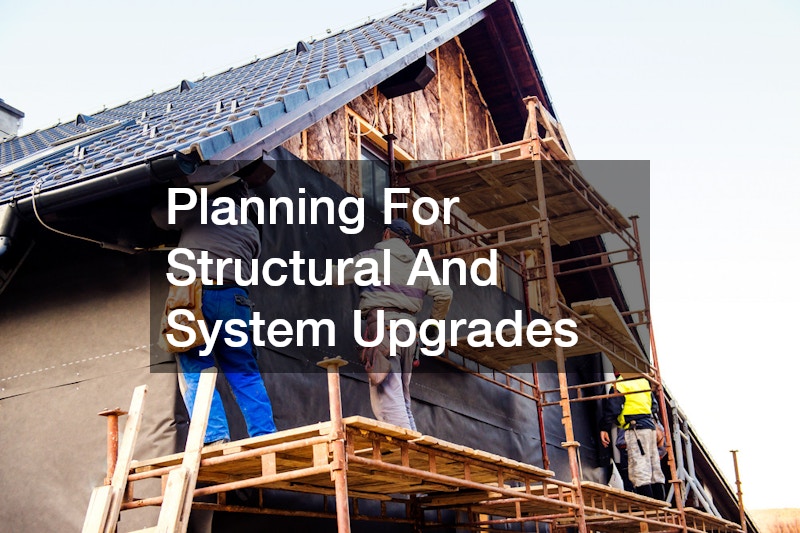
Structural and system upgrades are often necessary to support modern living standards and long-term property stability. Improvements to foundations, framing, electrical systems, plumbing networks, and ventilation can enhance safety and functionality. Evaluating the condition of existing components before beginning cosmetic updates helps identify areas that require reinforcement or replacement. Addressing structural concerns early prevents future disruptions and protects the integrity of new finishes. System upgrades also offer opportunities to improve efficiency, reduce utility costs, and accommodate future expansions.
More specifically, components such as gutter replacement can significantly impact drainage performance and protect your home’s exterior from water damage. Properly functioning gutters direct water away from the foundation, reducing the risk of erosion and structural deterioration. During renovations, evaluating the alignment, capacity, and condition of drainage systems supports the longevity of roofing and siding improvements. Integrating upgrades with broader structural plans promotes cohesive performance across all systems. By prioritizing foundational and system enhancements, you strengthen the overall resilience of your property.
Coordinating Design And Functional Layouts
A successful renovation balances visual appeal with practical functionality. Coordinating design elements with layout planning allows you to create spaces that feel cohesive and intuitive. Open floor plans, natural light optimization, and efficient traffic flow contribute to a comfortable living environment. Thoughtful design also considers how each room connects to adjacent spaces, ensuring transitions feel seamless. Aligning architectural details with interior finishes and exterior features enhances the overall aesthetic harmony of the property.
On a more detailed level, exterior features such as a vinyl fence can complement both landscaping and architectural style while defining property boundaries. Selecting the right height, color, and configuration supports privacy without disrupting visual flow. Coordinating exterior structures with pathways, driveways, and garden layouts strengthens the relationship between indoor and outdoor spaces. By evaluating design and function together rather than separately, you create a home that is not only attractive but also practical for daily use. Careful coordination ensures that each design decision supports both appearance and performance.