
Key Takeaways
- Careful planning before starting a renovation helps prevent costly changes, delays, and misaligned expectations during construction.
- Hiring the right contractor with verified credentials, clear contracts, and a strong portfolio is essential to avoid poor workmanship and disputes.
- Setting a realistic budget with a contingency fund helps manage unexpected expenses and keeps the project financially stable from start to finish.
- Choosing durable, practical materials and timeless designs reduces long-term maintenance issues and prevents future renovation regrets.
- Clear and consistent communication between homeowners, contractors, and designers helps avoid misunderstandings and ensures smoother project execution.
- Managing timelines properly, including buffer periods for delays, helps keep the renovation organized and reduces stress caused by scheduling conflicts.
- Understanding permits, regulations, and compliance requirements protects homeowners from legal issues and ensures the safety and quality of the renovation work.
Home remodeling can completely transform the way you live in your space. Whether you are updating a single room or undertaking a full-house renovation, the process is filled with opportunities—but also risks. Many homeowners start with excitement, only to encounter delays, budget overruns, design regrets, and contractor issues that could have been avoided with better planning.
The truth is, most costly remodeling mistakes are not caused by bad luck. They usually stem from poor preparation, unclear expectations, or rushed decisions. This guide breaks down the most common pitfalls homeowners face and provides practical home remodeling tips to help you avoid them, protect your investment, and achieve a smoother renovation journey.
Why Do Home Remodeling Projects Go Over Budget and Schedule?
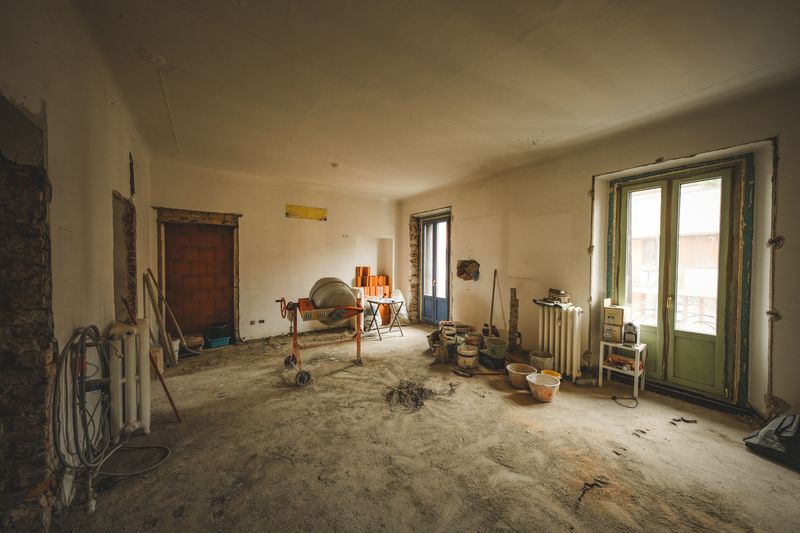
Home remodeling projects often begin with a clear vision, but quickly become overwhelming once work starts. This section explores why so many renovations exceed both budget and timeline expectations. Understanding these causes is the first step toward avoiding them. From underestimated costs to unexpected structural issues, small miscalculations can quickly snowball into major setbacks. Homeowners also tend to underestimate the importance of planning buffers for delays and price fluctuations. By recognizing these risks early, you can make more informed decisions and reduce stress throughout the process.
One of the biggest reasons projects go off track is the lack of detailed planning. Without a clear scope, even minor changes can trigger additional labor, materials, and time. Another issue is emotional decision-making during construction, which often leads to impulsive upgrades that weren’t originally budgeted.
Key causes of overruns include:
- Incomplete planning before demolition begins, leading to mid-project changes that increase costs.
- Underestimating material and labor expenses, especially when market prices fluctuate unexpectedly.
- Unexpected structural or plumbing issues hidden behind walls that require immediate attention.
Avoiding these pitfalls requires discipline, realistic expectations, and a structured approach to every phase of the renovation.
How Can Proper Planning Prevent Remodeling Mistakes?
Proper planning is the foundation of any successful renovation project. Without it, even simple upgrades can turn into stressful and expensive experiences. In this stage, homeowners define their goals, set priorities, and determine realistic budgets and timelines. Planning also involves researching materials, comparing contractor options, and anticipating potential risks. The more effort invested upfront, the smoother the execution will be later. A well-thought-out plan reduces guesswork and helps ensure that every decision supports the overall vision of the home.
A structured planning phase is what separates a chaotic renovation from a well-executed one. Many homeowners rush this step and later regret the decisions they made without enough information. Planning also allows you to align your expectations with financial and structural realities, preventing disappointment during execution.
To improve planning effectiveness:
- Define your renovation goals clearly, including must-haves and nice-to-haves, to avoid unnecessary expenses.
- Research materials and finishes early so you understand durability, cost, and maintenance requirements.
- Create a realistic timeline that accounts for delays, approvals, and unexpected adjustments.
Good planning is what turns a chaotic effort into a more controlled and predictable process. A well-prepared homeowner is far less likely to encounter major disruptions during execution.
A properly planned renovation also sets the stage for a successful home improvement project, ensuring that every phase moves forward with clarity and purpose rather than confusion and rework.
What Should You Look for When Hiring Contractors?

Choosing the right contractor is one of the most critical decisions in any renovation. A skilled and reliable contractor can make the process smooth and efficient, while the wrong choice can lead to delays, poor workmanship, and financial losses. This section explains how to evaluate contractors properly, what red flags to watch out for, and how to ensure accountability throughout the project. Homeowners often rush this step due to urgency or budget pressure, but careful selection pays off in the long run.
Contractors vary widely in experience, pricing, and professionalism. Some may offer low bids but cut corners, while others may lack proper licensing or communication skills. The goal is not just to find the cheapest option but to identify a trustworthy professional who understands your vision and can execute it properly.
Important factors to evaluate include:
- Verified credentials and licensing to ensure compliance with local building standards and safety regulations.
- A strong portfolio of previous work that demonstrates consistency and quality in similar projects.
- Clear contracts that outline scope, timelines, payment terms, and responsibilities in detail.
Poor contractor selection is one of the most expensive mistakes homeowners make. Taking time to vet candidates thoroughly helps avoid disputes, delays, and substandard results that are difficult to fix later.
How Do Budgeting Mistakes Affect Your Renovation?
Budgeting is one of the most underestimated aspects of home remodeling. Many homeowners set a budget based only on visible costs like materials and labor, without accounting for hidden expenses. This often leads to financial strain midway through the project. Proper budgeting involves more than just setting a number—it requires careful forecasting, contingency planning, and disciplined spending throughout the renovation process.
Unexpected costs can arise from structural repairs, design changes, or even delays in material delivery. Without a financial buffer, these issues can halt progress or force compromises on quality. A well-prepared budget should also include allowances for permits, inspections, and finishing details that are often overlooked.
To strengthen your budgeting approach:
- Add a contingency fund of at least 10–20% to cover unexpected expenses and prevent project stoppage.
- Break down costs by phase so you can track spending more accurately and avoid overspending early.
- Avoid frequent mid-project upgrades that can disrupt financial planning and increase total costs significantly.
One important principle in managing renovation finances is adopting a strategic home improvement mindset, where every expense is evaluated based on long-term value rather than short-term appeal.
Good budgeting is not just about limiting spending—it’s about ensuring every dollar contributes meaningfully to the final outcome.
What Design and Material Choices Lead to Regret?
Design decisions play a major role in the long-term satisfaction of a renovation. Unfortunately, many homeowners make choices based on trends or emotions rather than practicality and durability. This often leads to regret once the novelty wears off or maintenance becomes burdensome. Materials that look good in showrooms may not always perform well in real-world conditions, especially in high-traffic or high-moisture areas.
Another common issue is over-customization, where designs become too specific to current preferences, reducing future flexibility or resale value. Balancing aesthetics with functionality is essential to avoid long-term dissatisfaction.
To make better design choices:
- Prioritize durability over appearance when selecting materials for kitchens, bathrooms, and flooring.
- Choose timeless design elements that can adapt to future style changes without requiring major renovations.
- Consider maintenance requirements before finalizing materials, especially for surfaces exposed to heavy use.
Poor design planning can turn a beautiful space into a frustrating one. By focusing on functionality and long-term usability, homeowners can avoid expensive redesigns later.
Why is Communication So Important During Renovation?
Communication breakdowns between homeowners, contractors, and designers are one of the most common causes of remodeling failure. Misunderstandings can lead to incorrect installations, missed deadlines, and unnecessary expenses. Clear, consistent communication ensures that everyone involved in the project is aligned with expectations and progress.
Many issues arise when assumptions replace clear instructions. Without proper documentation or regular updates, small misunderstandings can escalate into major disputes. Establishing communication protocols early helps maintain transparency throughout the project lifecycle.
To improve communication:
- Schedule regular progress updates to stay informed about timelines, challenges, and completed milestones.
- Document all changes in writing to avoid confusion and ensure accountability.
- Use visual references like sketches or samples to clarify expectations more effectively.
Strong communication helps maintain trust and reduces the likelihood of rework or conflict. It ensures that the project stays aligned with the original vision while adapting smoothly to necessary adjustments.
What Happens During the Final Stages of Remodeling?
The final stage of a renovation is often rushed, even though it is one of the most important phases. This is where finishing touches, inspections, and quality checks determine the overall success of the project. Many homeowners become eager to complete the renovation and overlook minor defects or unfinished details, which can lead to long-term dissatisfaction.
Final inspections are critical to ensure that all work meets safety standards and contractual agreements. Skipping this step can result in hidden issues that become expensive to fix later. It is also the stage where final payments are made, so accuracy and attention to detail are essential.
To ensure a smooth completion:
- Conduct a thorough walkthrough to identify unfinished or poorly executed work before signing off.
- Verify that all systems, including plumbing and electrical, are functioning properly and safely.
- Ensure that all agreed-upon finishes and details match the original contract specifications.
A careful final review ensures that no detail is overlooked and that the renovation meets both quality and safety expectations.
How Can Poor Timeline Management Disrupt Your Remodeling Project?
Timeline management is one of the most overlooked aspects of home remodeling, yet it has a direct impact on cost, stress levels, and overall project quality. When homeowners fail to establish a realistic schedule, delays tend to cascade across all phases of the renovation. A simple delay in material delivery, for example, can push back electrical work, painting, and finishing. This creates a domino effect that increases labor costs and extends disruption to daily life.
Many homeowners also underestimate how long each stage actually takes, especially when working with multiple contractors. Without coordination, one trade may be ready while another is still incomplete, resulting in idle time and inefficiency.
To improve timeline control:
- Set a detailed project schedule with clear milestones for each phase of work.
- Coordinate the availability of materials before demolition or construction begins.
- Build buffer time into the schedule to account for unexpected delays.
A well-managed timeline ensures smoother execution and reduces frustration, keeping the entire renovation on track from start to finish.
Why Do Permits and Regulations Matter More Than You Think?
Ignoring permits and local building regulations is a mistake that can lead to serious financial and legal consequences. Many homeowners skip this step to save time, only to face penalties, project stoppages, or even forced reconstruction later. Permits exist to ensure that renovations meet safety standards, especially for structural, electrical, and plumbing work. Without proper approval, you risk compromising not only compliance but also long-term property value.
Another common issue is assuming contractors will handle all permit requirements automatically. While some do, responsibility ultimately falls on the homeowner in many jurisdictions. Failing to confirm this can create confusion and delays once inspections are required.
Key considerations include:
- Always verify which permits are required before starting any structural work.
- Ensure inspections are scheduled at required stages of the renovation.
- Keep copies of all approvals for future property transactions.
Proper compliance is not just a legal requirement—it also ensures your renovation is safe, durable, and professionally executed.
How Do Material Delays and Supply Chain Issues Affect Renovations?
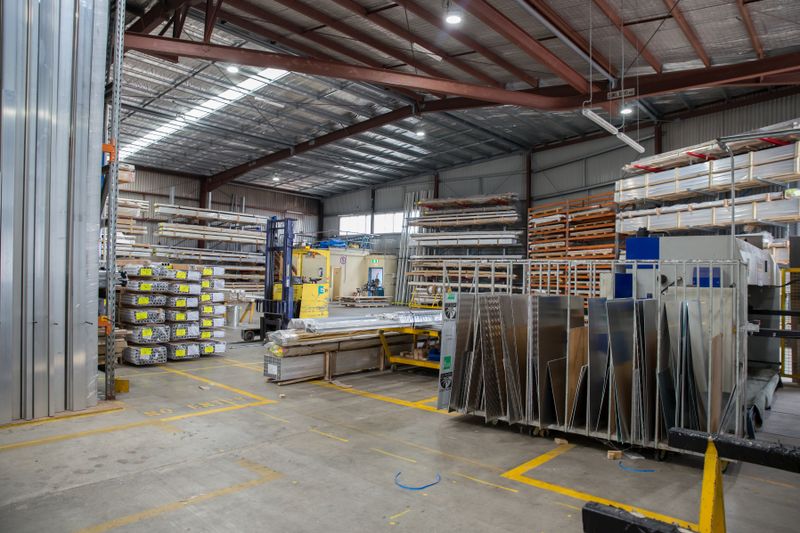
Material availability plays a major role in determining how smoothly a home remodeling project progresses. In recent years, global supply chain disruptions have made it increasingly common for homeowners to experience delays in receiving essential materials such as tiles, fixtures, cabinetry, and hardware. These delays can stall entire phases of construction and force contractors to reschedule labor, increasing overall costs.
Another issue arises when homeowners make last-minute material changes after construction has already begun. This often results in reordering delays, mismatched designs, or incompatible components that require adjustments.
To minimize disruptions:
- Finalize material selections early in the planning phase to avoid last-minute changes.
- Work with suppliers who have reliable stock availability and delivery timelines.
- Order critical materials in advance and store them safely on-site if possible.
Understanding supply chain risks helps homeowners prepare for uncertainty and maintain project momentum even when external delays occur.
How Can Over-Improvement Affect Your Property Value?
While upgrading your home is generally a good investment, over-improving beyond neighborhood standards can negatively affect resale value. Many homeowners assume that more expensive finishes automatically increase property value, but this is not always true. If renovations exceed what buyers in the area expect, you may not recover your investment when selling the property.
Over-improvement often occurs when homeowners prioritize luxury features without considering market context. For example, installing high-end commercial-grade appliances or excessive customizations in a modest neighborhood may not yield a proportional return.
To avoid over-improvement:
- Research comparable home values in your area before committing to major upgrades.
- Focus on improvements that enhance functionality and broad appeal.
- Balance luxury upgrades with practical features that increase usability.
A well-balanced approach ensures your renovation enhances both personal enjoyment and long-term financial value without exceeding market expectations.
How Does Project Scope Creep Lead to Budget Explosion?
Scope creep refers to the gradual expansion of a project beyond its original plan. This is one of the most common reasons homeowners experience budget overruns and delays. It often starts with small decisions—such as upgrading a countertop material or adding extra lighting—but accumulates into significant cost increases over time.
The main issue with scope creep is that it disrupts the original financial and scheduling framework. Each change requires additional labor, materials, and coordination, which compounds quickly. Without strict control, even a well-planned renovation can spiral into an unmanageable project.
To control scope creep effectively:
- Lock in a detailed project scope before construction begins and avoid frequent changes.
- Evaluate every new request based on cost, necessity, and long-term value.
- Maintain a change log to track all modifications and their financial impact.
Controlling scope creep is essential to keeping your renovation predictable, cost-effective, and aligned with your original goals.
Conclusion
Home remodeling is a rewarding but complex process that requires careful planning, financial discipline, and consistent communication. By understanding where most mistakes occur, homeowners can take proactive steps to avoid them and protect their investment. Every stage—from planning and budgeting to contractor selection and final inspection—plays a crucial role in the overall success of the project.
With the right approach, homeowners can minimize risks, reduce stress, and enjoy a smoother renovation experience that enhances both comfort and property value for years to come.